Volunteer Sessions in September

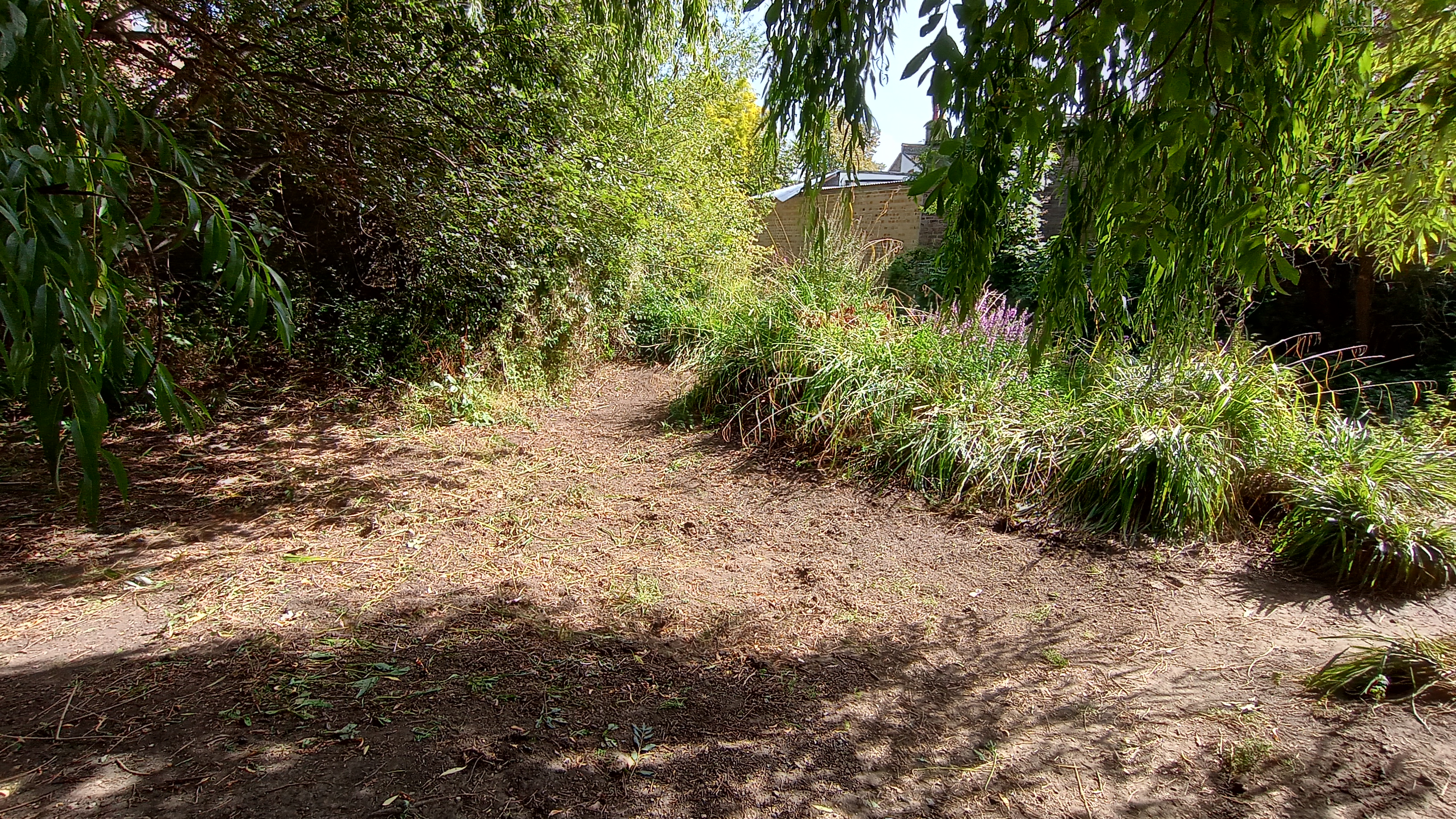
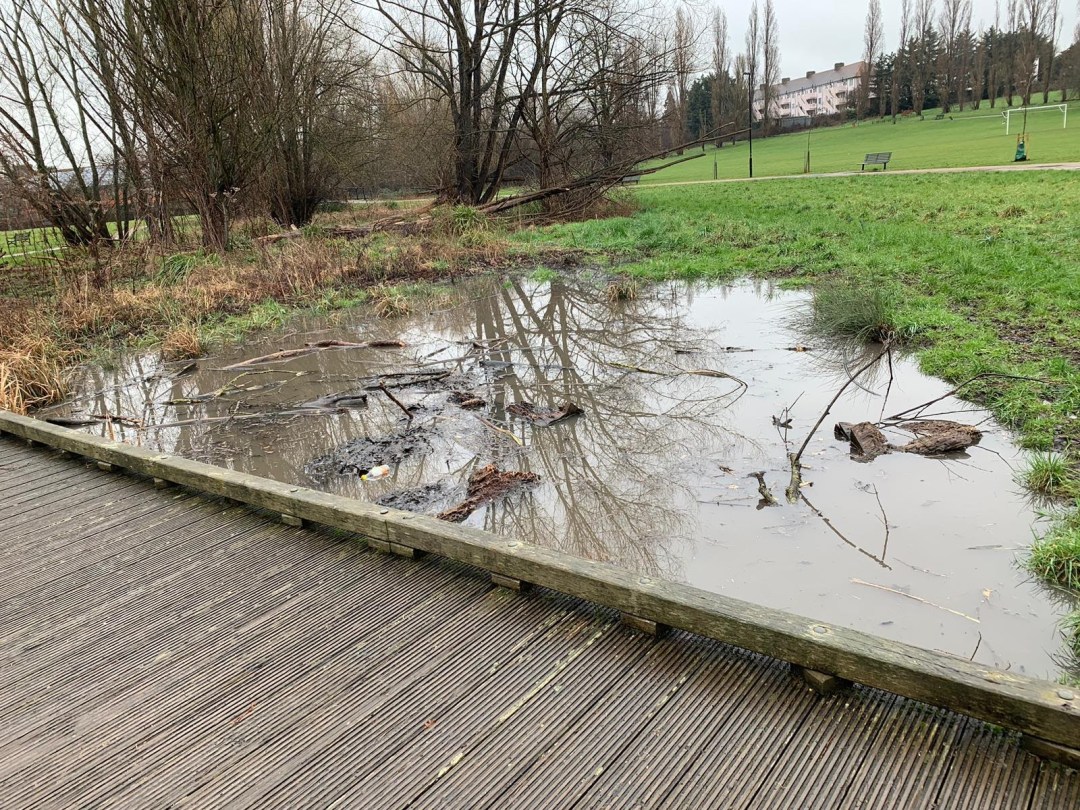
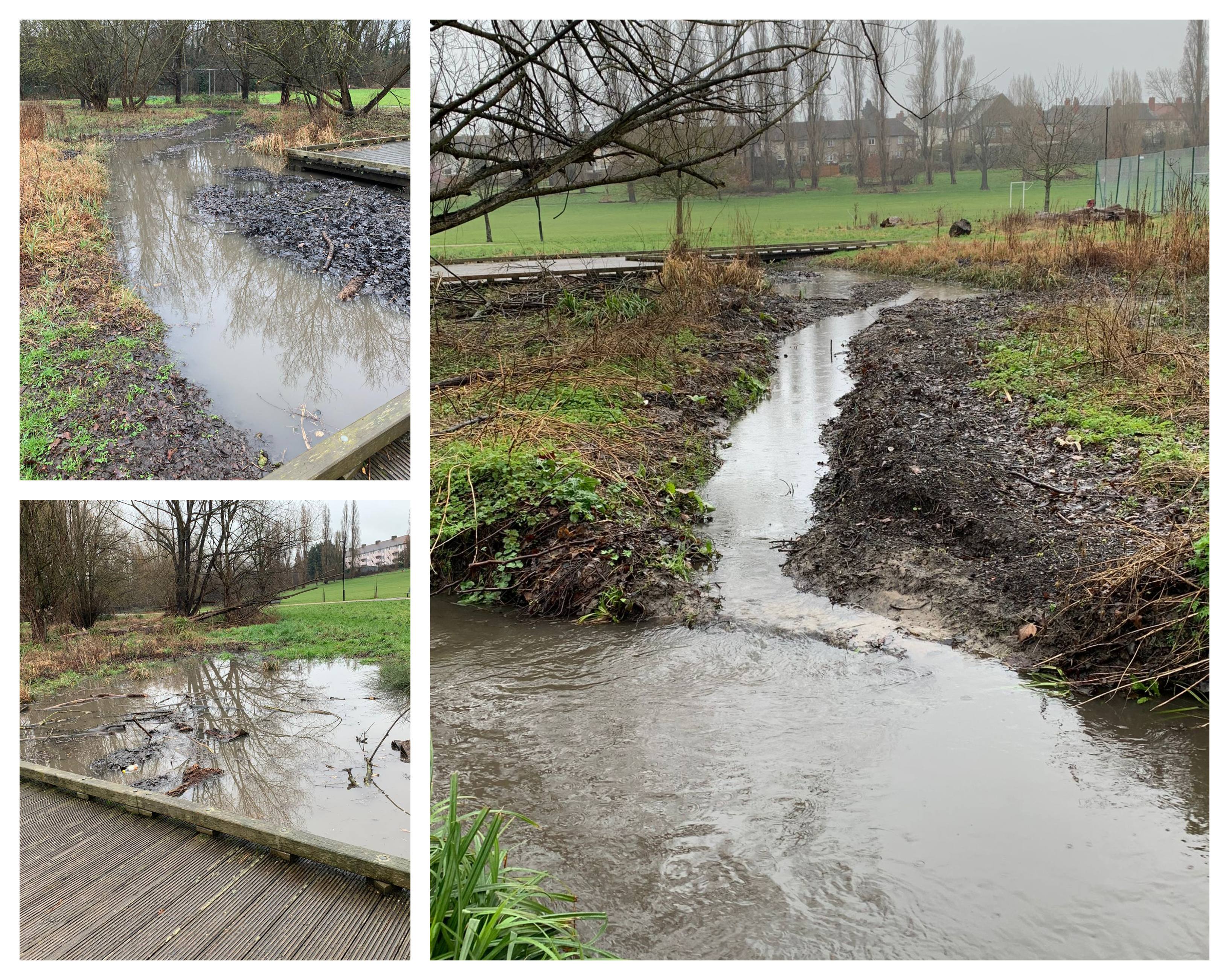
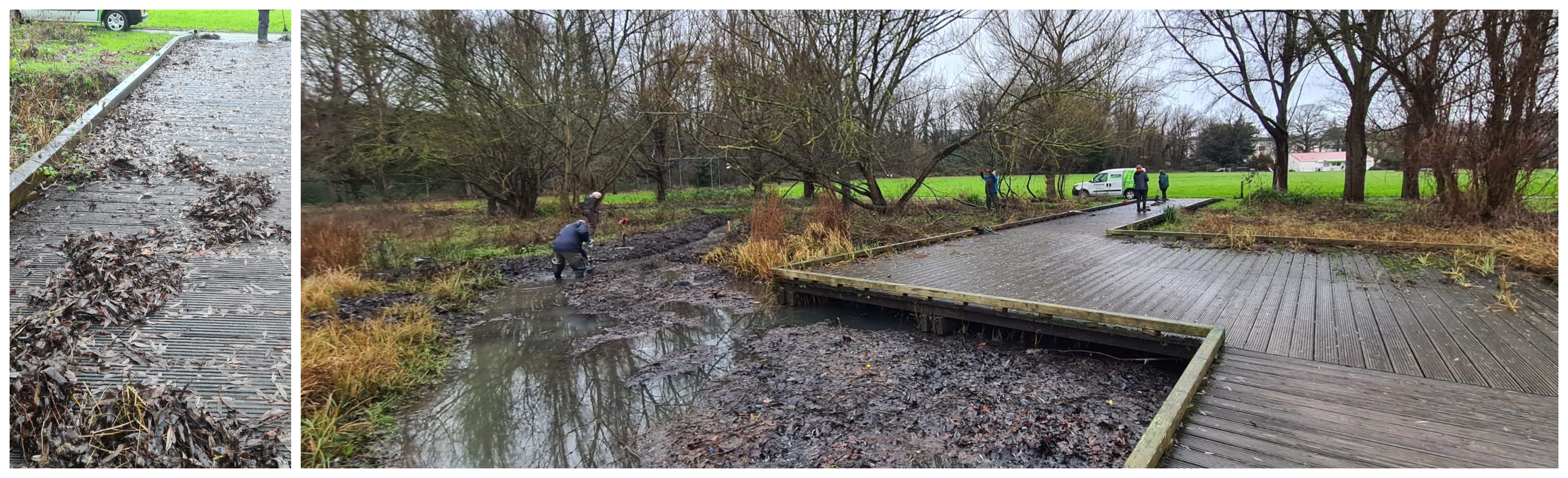
September was a month of hot and dry weather, which was showcased by low water levels across the River Ravensbourne catchment. During this period we took our opportunity to work on the boggy areas to remove encroaching vegetation, like above, which is normally a wet area in Manor Park but had previously been overtaking by sedge, bramble and grass!

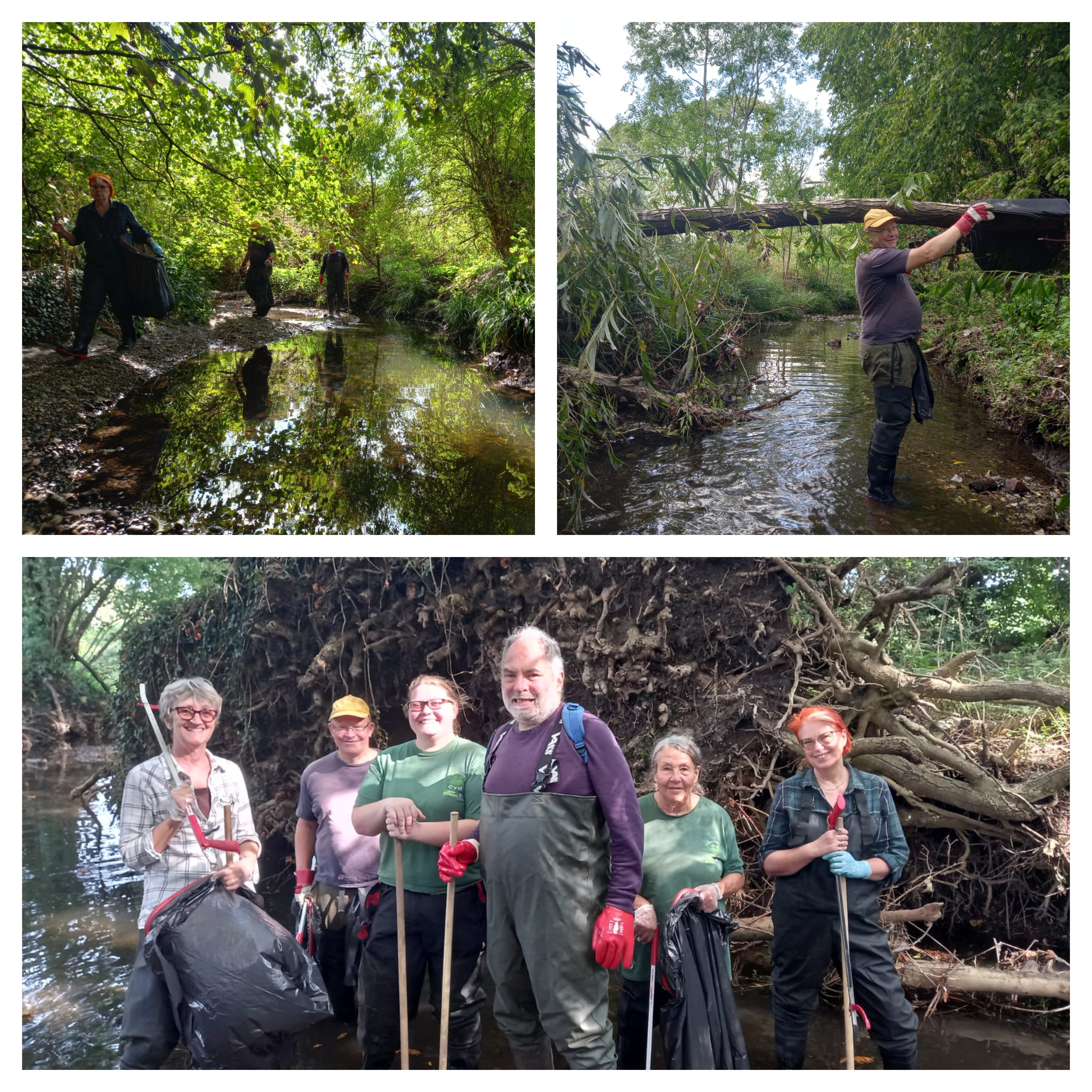
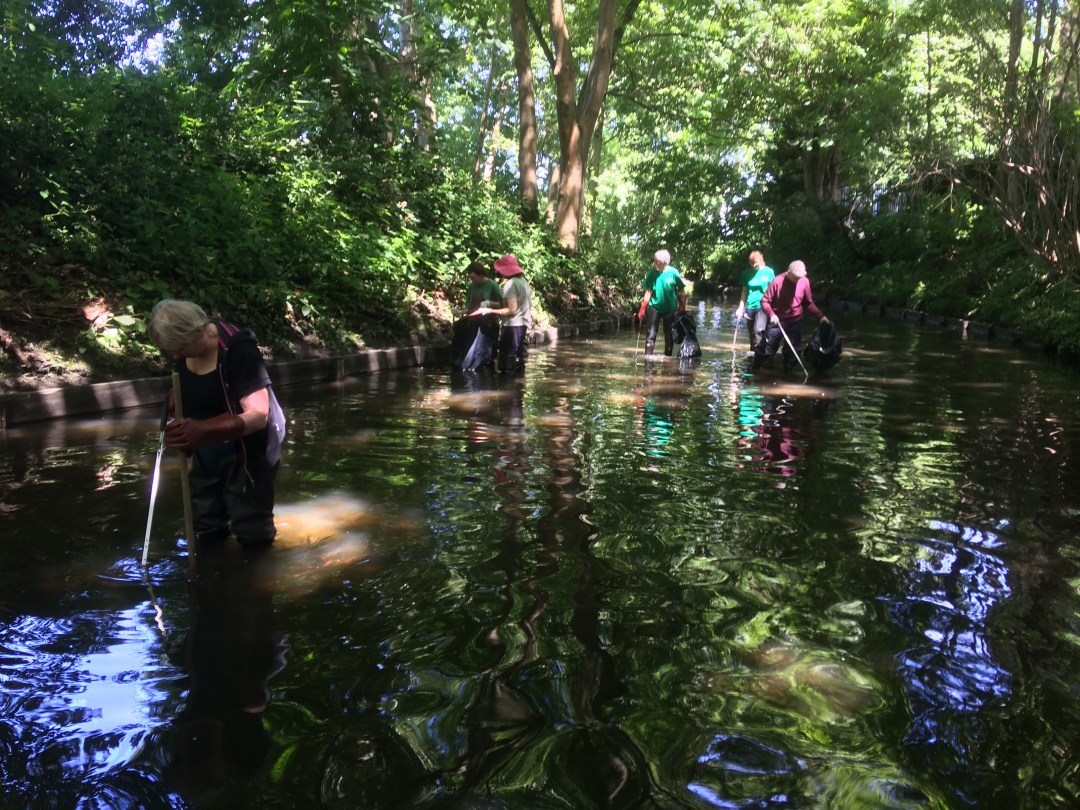
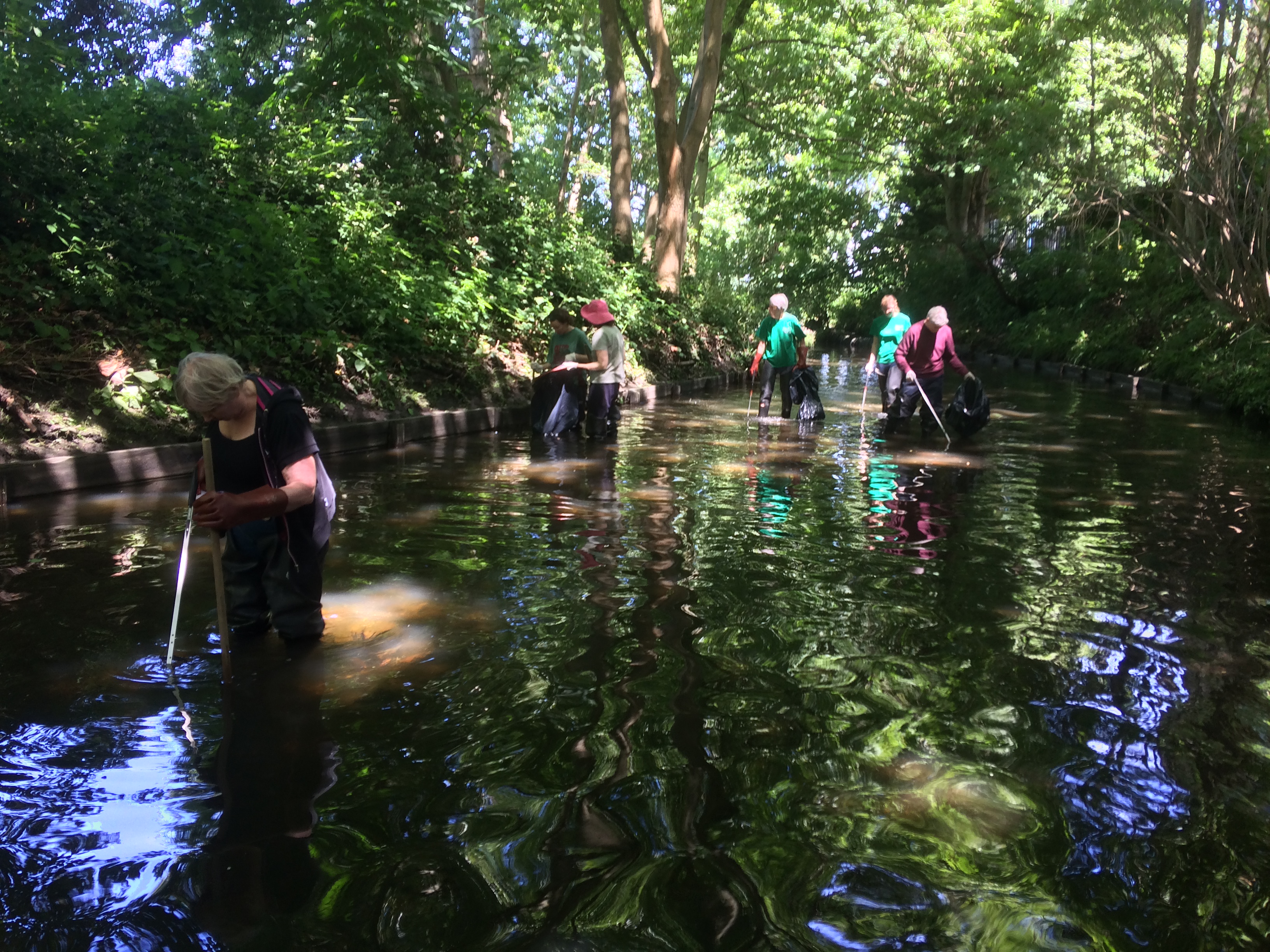
The lower water level across the month also helped us access the deeper sections of the rivers. We spent some time in Beckenham Place Park (East side) performing litter picks and clearing areas of the main channel. We found more than 25 golf balls in this stretch, along with parts of an old fireplace surround!

Rivers & People Instagram

This month we’ve launched our brand new social media account, RiversandPeople_Lewisham, where you can stay up to date with all the work we’ve been doing on the River Ravensbourne, River Quaggy and River Pool.

You will still find our monthly ‘what we’ve been up’ blogs and any information about upcoming sessions on here, but do check out and give us a follow on Instagram to stay in the loop sooner!

Our Instagram account will be managed by one of our wonderful volunteers, Sarah, who is more than happy to help answer your queries or send you Emily’s way for anything you may want to find out.

Volunteer Sessions in August

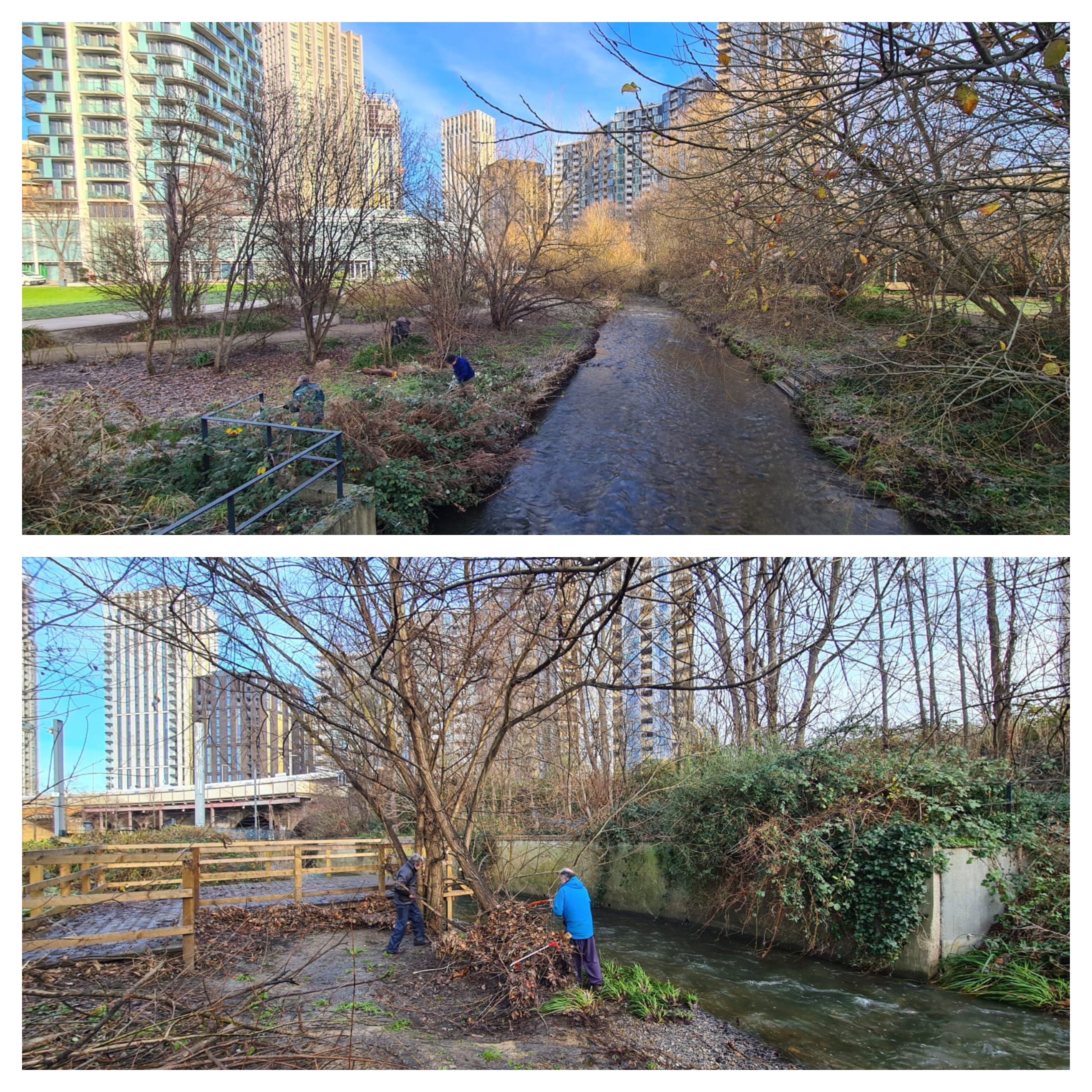
August brought the volunteer team some hot weather, so being in the river was a pleasant break from the heat! We started the month working on the boardwalk section of Cornmill Gardens, removing plants that had grown up through teh accessible viewing platform then reducing the vegetation height so you can get a clear view of the river. One bonus from our time at Cornmill was we got to watch Lewisham town centre’s resident peregrine falcons flying overhead!

We’ve also continued the job of clearing eel tiles around the catchment, and monitored the areas where we know siltation happens in backwaters and small channels.

We were also very lucky to have Philippa Nicholls, European Eel Officer, from Thames21 come along to our group and present on London’s European Eel population and some of the challenges and obstacles they face within the Ravensbourne Catchment.

Grove Park Carnival 2023

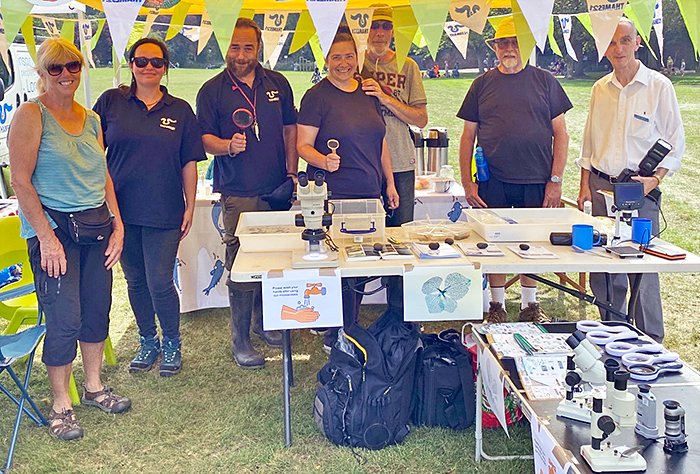
The first Sunday in September marked the Grove Park Carnival at Chinbrook Meadows. The event is a family friendly event with a dog show, funfair, parade and a variety of stalls including some that were teaching the public about the River Quaggy and the animals within it. Thames21, Friends of Chinbrook Meadows, The Quekett Microscopical Club and ChART were all in attendance.

Our friends The Quekett Microscopical Club have written a wonderful blog all about the day HERE on their website.

Volunteer Sessions in July

Continuing on from last month, we spent the first couple of weeks in July taking part in the 3 Rivers Clean Up. After 3 weeks of being in river we removed over 5000 Himalayan balsam plants from the River Quaggy and River Ravensbourne.

One fantastic sighting when we were downstream of Manor Park was a large European Eel feeding amongst the gravel riverbed. Can you spot it in the photo below?

Whilst in Manor Park it was also wonderful to look at the bug hotels that the 12th North Lewisham Scout Group have been looking after.

Sounding the River Quaggy

Back in 2021 Dr Louise Rondel and colleagues at Goldsmith’s University captured a series of interviews and sounds along the River Quaggy, exploring the soundscape of the urban River Quaggy.

The project strived to understand how the river impacts the local area and vice versa through an interactive app, the public contributed their own field recordings at the participatory workshop and sound walk, and talks from resident scientific and cultural experts, including John Drever and Emma Jackson, about the importance of the river to both the community and local eco-system.

Learn how people interact with the Quaggy and how this heavily engineered South London river is becoming re-naturalised. All done in conjunction with the Quaggy Waterways Action Group (QWAG).

Listen and explore the soundscape at https://umap.openstreetmap.fr/en/map/sounding-the-river-quaggy_679393#14/51.4599/0.0087

Rivers & People July- September Programme

Summer is when we start tackling some of our invasive species in the river and on the banks, which is both great for the health of the rivers and great at keeping you fit!
Why not join our Tuesday volunteer sessions? The volunteer session programme has now been released for July to September 2023. Check out the programme HERE. If you would like to get involved in volunteering on Lewisham’s rivers please read through the the River Volunteering web page, and if you have any questions or queries please get in touch with Emily.

Volunteer Sessions in March

March gave our volunteer team some kinder weather, which was particularly welcomed as we spent 3 weeks in Ladywell Fields (North Field) widening the secondary channel around the bridges. Since the works have been completed at the entrance to the secondary channel you can now see the channel filled with water everyday through the field. As this waterflow moves through the channel it naturally erodes areas of the banks where it is moving fastest and drops silt in the slower areas. This is a wonderful natural process to watch happening through the middle of the park. Our volunteers have managed to rework the meander by the middle bridge to reduce any erosion where the bridge is connected to the path, and to open up the inflow channel to the backwater located here.

Further south into the borough our volunteer team have been removing litter and being vigilant for invasive non-native plant species in the Manor Park section of the River Quaggy.

Volunteer Sessions in February

February threw us some colder and wetter weather, which meant on some sessions we focused mainly on bank side work rather than being in the river channel itself. When the weather gave us some respite we spent a few sessions in Ladywell Fields litter-picking in the channel, we often find smaller items within the channel like cans, plastic bags etc. Sometimes we find much larger items, like the lime bike and building sign above. The wonderful volunteers managed to get these out of the channel then Glendale’s park cleansing team were able to take them away from the site.

Another of our projects in February was working on the main dipping pond and it’s channel at Chinbrook Meadows. Over time silt and leaf litter had filled up the inflow from the River Quaggy, so our team cleared a nice secondary channel that feeds into the pond under the boardwalk. Keeping water in this pond will allow for a wide variety of invertebrates (and a few vertebrates) to thrive in the standing water habitat, rather than the moving water from the River Quaggy.

Volunteer Sessions in January

We started 2023 with a sunny session at Cornmill Gardens, where we cut back any branches overhanging the river and clearing all the twigs that had collected on the bank from the recent rains. We don’t remove any of the deadwood from the site, but rather move it further up the bank to create habitat piles that won’t get washed downstream.

Next up we visited the River Quaggy, at Chinbrook Meadows, where we de-silted the secondary channel that feeds into the pond and wetland area. Also that afternoon, our diligent volunteers scraped the leaf litter from the boardwalks to make them easier and safer to walk on.

After a wet December where we couldn’t get easy access to the Ladywell Field backwater channel, we returned to finish the de-silting here. The heavy digging work certainly lent itself to an extra biscuit with our tea afterwards!

Our last session of the month was in the north of the borough at Brookmill Park, where we completed our bank work to allow any pedestrians a sight line down onto the river. As an added bonus we came across a common frog, Rana temporaria, and two common toads, Bufo bufo, which is one of Lewisham’s priority action species.

An excerpt from Lewisham Council’s Biodiversity Action Plan ‘A Natural Renaissance for Lewisham (2021-2026)’

Amphibian species populations are declining at an alarming rate globally and despite its
name and that it is found throughout Britain the Common Toad is not so common anymore. A study in 2016 found a significant decline (68%) of the species in the UK since 1980s with an even steeper decline in South East England (www.froglife.org)

Common Toads breed in ponds but spend most of their lives on land away from water, walking (and not hopping) around at night looking for slugs, snails, spiders and other invertebrates. They spend winter buried under log piles, stones, leaf litter or compost heaps. Adult toads usually migrate back to their birth pond to breed which is becoming
more and more difficult with fences and busy roads blocking their way in urban areas. The disappearance of ponds in gardens and open spaces and two amphibian diseases (Ranavirus and Chytridiomycosis) pose further threats to toads. The Common Toad is protected from trade and sale under the Wildlife and Countryside Act 1981 (as amended) and was identified as a priority species in the UK Biodiversity Action Plan in 2007.

References
Volunteer Conservation Action Data Reveals Large-Scale and Long-Term Negative Population
Trends of a Widespread Amphibian, the Common Toad (Bufo bufo); Petrovan SO, Schmidt BR
(2016) Volunteer Conservation Action Data Reveals Large-Scale and Long-Term Negative
Population Trends of a Widespread Amphibian, the Common Toad (Bufo bufo). PLOS ONE

https://www.legislation.gov.uk/ukpga/1981/69/schedule/5
https://www.froglife.org/what-we-do/education/london-t-o-a-d/
https://www.gardenwildlifehealth.org/