Credit: Andrew Haynes

Species Spotlight: Common Kingfisher

Sapphire Bullet of the River: A Species Spotlight on the Common Kingfisher

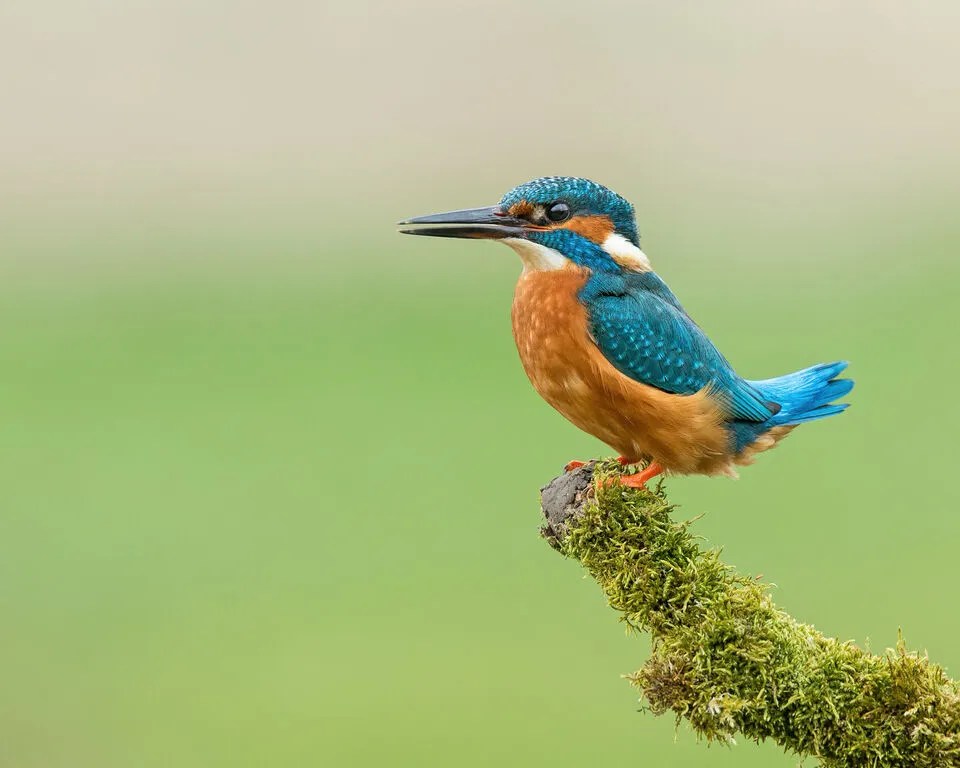
A brilliant flash of iridescent cobalt-blue and electric orange zipping low over sunny water is often the only sign of the Common Kingfisher (Alcedo atthis). Revered as one of the UK’s most beautiful native birds, this master diver inhabits clean waterways across Britain. Despite its tropical coloration, the kingfisher is a dedicated resident predator whose presence signifies healthy, fish-filled streams.


Identification & Sexual Dimorphism

  • Size & Shape: Small bird with a compact body (16–17 cm long), short tail, large head, and long, dagger-like black bill.
  • Plumage: Iridescent electric turquoise-blue back and crown, bright metallic orange breast and cheeks, white throat patch, and small coral-red legs.
  • Telling Males & Females Apart:
    • Male: Entirely black bill.
    • Female: Has a bright orange-red patch on the lower mandible.

UK Habitat & Territoriality

  • Habitat: Slow-flowing or still freshwaters with clean water and clear visibility, including lowland rivers, canals, streams, lakes, and gravel pits with overhanging branches.
  • Strict Territories: Kingfishers are fierce loners that defend a 1 km stretch of river year-round. Intruders are met with sharp whistle calls (“chee-kee”) and high-speed aerial chases.

Hunting Technique & Breeding

  1. Perch & Plunge: The kingfisher perches on overhanging branches, bobbing its head to gauge water refraction and depth. Once a small fish is targeted, it plunges vertically into the water at speeds up to 25 mph.
  2. Fish Handling: Grasping the fish in its bill, it returns to a perch, beats the fish against a stone or branch to stun it, and swallows it head-first so the scales and fins lie flat.
  3. Tunnel Nesting: Instead of building a twig nest, a mating pair digs a 1-metre-long horizontal tunnel into a steep, sandy riverbank ending in a round nest chamber.

Fun Facts

  • Courtship Fish Offering: During courtship, a male kingfisher courts a female by offering her a freshly caught fish, presenting it head-first so she can swallow it easily.
  • Built-In Underwater Goggles: Kingfishers possess a transparent third eyelid (nictitating membrane) that covers their eyes when diving underwater, protecting them while maintaining sharp vision.
  • Bullet Train Aerodynamics: Engineers redesigned Japan’s high-speed Shinkansen bullet train nose cone based on the aerodynamic shape of the kingfisher’s beak, dramatically reducing noise when exiting tunnels.
  • Fish Bone Carpet: Over time, the dirt floor of the kingfisher’s nest chamber becomes lined with thousands of regurgitated fish bones and scales.

Sources

Rivers & People Volunteer Programme [October – December 2026]

The volunteer session programme has now been released for October – December 2026. Check out the programme HERE. If you would like to get involved in volunteering on Lewisham’s rivers please read through the the River Volunteering web page, and if you have any questions or queries please get in touch with Emily.

Drowning Prevention Week

RLSS UK’s Drowning Prevention Week is an annual, water safety campaign designed to educate children and young adults in water safety and lifesaving skills.

Drowning Prevention Week educates children aged 5 to 17 each June with crucial water safety advice just before the summer holidays, when young people are outdoors more and need these skills and knowledge most, so everyone can enjoy water safely. We’re calling on all carers, schools, lifesaving clubs, leisure operators and water-related businesses to participate.

Save the Date: Drowning Prevention Week is happening from 13-20 June 2026.

RLSS UK exists to prevent drowning and support everyone to enjoy water safely. We are committed to saving lives by leading in lifesaving, lifeguarding and water safety education, and we aspire to have communities free from drowning. With your support we can achieve this.

Drowning is preventable and nobody should drown.

Download Drowning Prevention Week Resources from RLSS UK

Rivers & People x University of Arts students

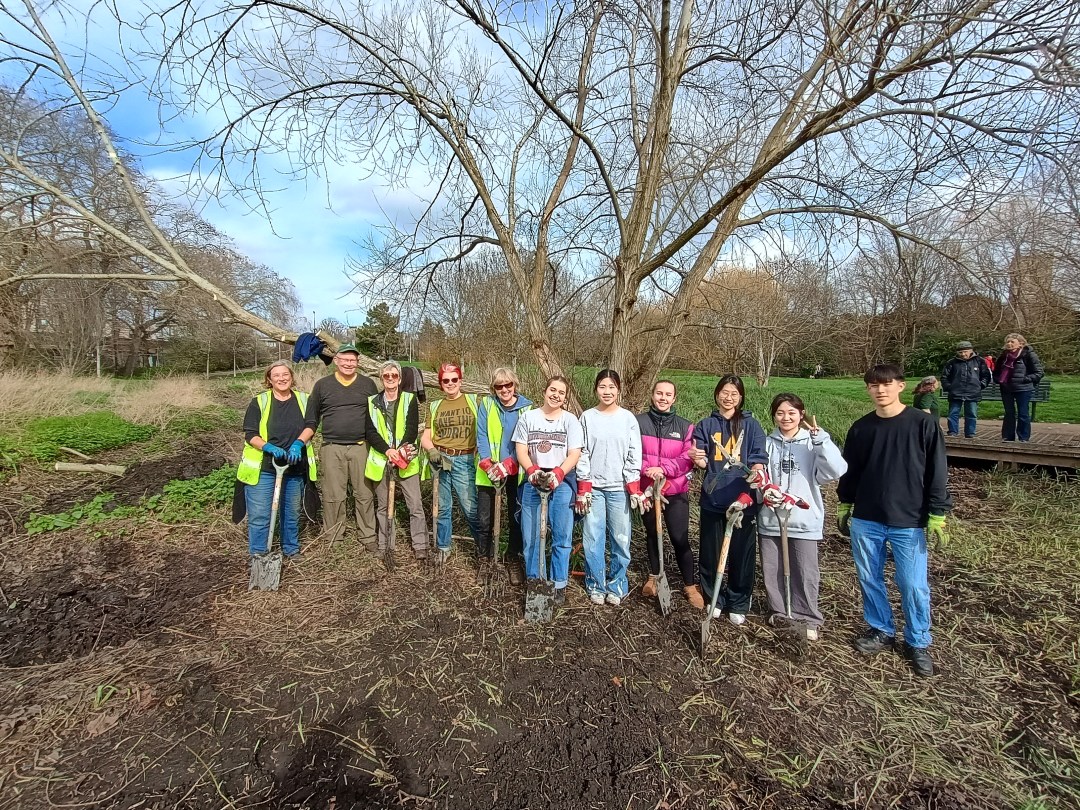
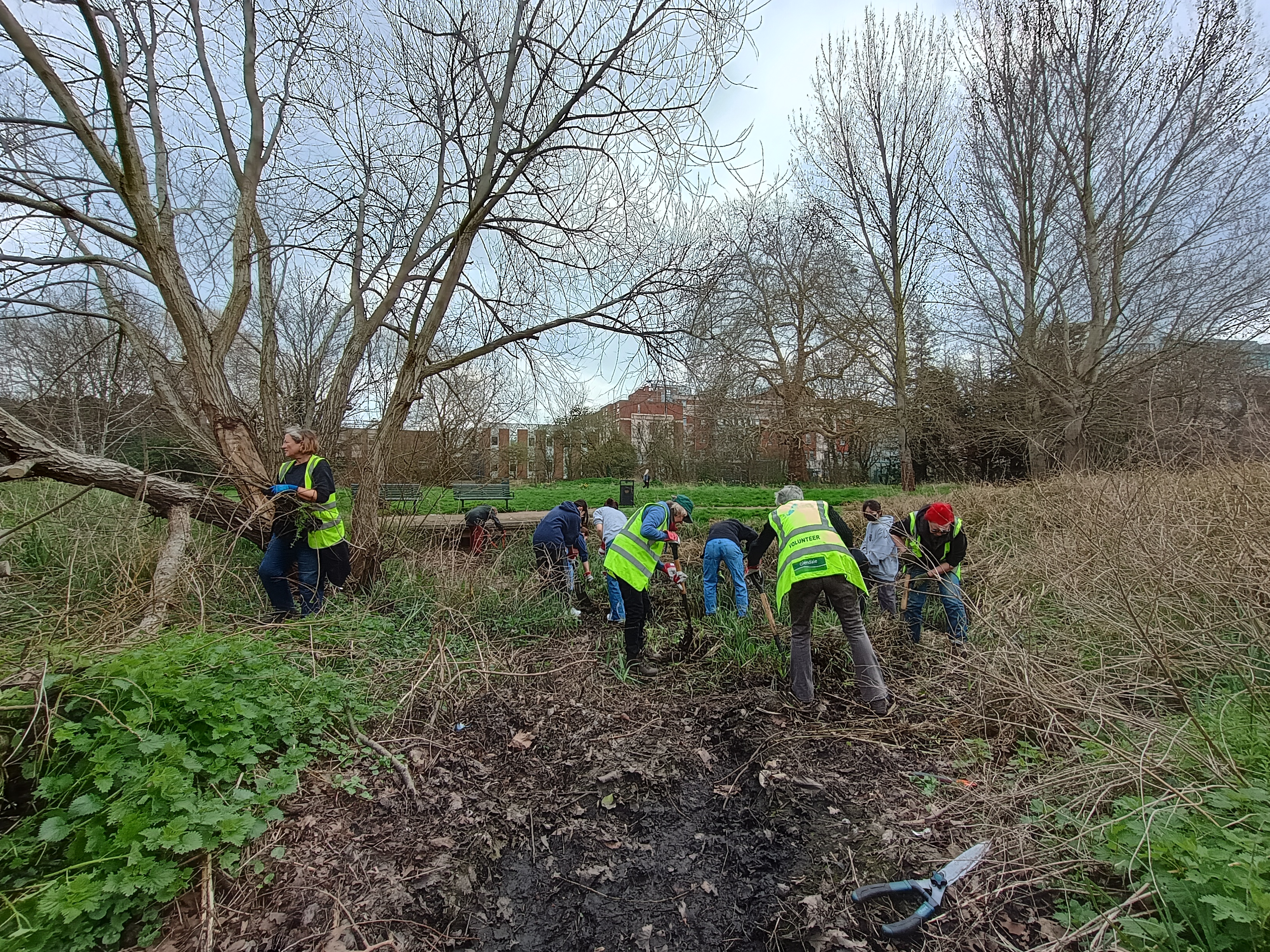
“I had a brilliant time volunteering at Ladywell park with Rivers & People Riverbank Management. As a student I’m always working at a computer so it was a lovely change of pace to get up and active whilst helping out the community. Meeting the other volunteers was a great opportunity to meet other locals and make connections outside of university. From a conservation perspective it was really interesting to learn about the maintenance needed for these parks to stay enjoyable all year round. In the session I attended we focused on removing reeds and silt to improve the flow of the stream. As a newcomer everyone was welcoming to me and I felt very comfortable in the group. I hope to be involved with more projects in the future and I encourage you to do the same!” – Elsa, Local Uni Student

Digging the Dirt – the world beneath your feet

Wild Cat Wilderness are running a project entitled Digging the Dirt – the world beneath your feet from March to June 2026. As part of the project at the Wild Cat Wilderness there will be a Soil Festival 18th April and a Summer Solstice Exhibition to show any creative outputs from the project 20/21st June.

There are several opportunities for gardens/ greenspaces to get involved

Become a Soil Hero

If you are part of a local group we are looking for people to help with project and spread the word. WCW will provide some training and information all about soil health so you can pass this onto others on the 8th March at the Orchard Gardens. For more information and to enrol (x1 person per garden/greenspace) please email Maria wcw@rgtb.org.uk

Take part in “Soiled”

Check your soil health by burying some calico for x4 weeks and participate in a collective community piece of art to be exhibited at the Summer Solstice Exhibition. WCW will provide the calico and instructions and then you return the results back to us to form part of a communal art piece.

Lewisham open gardens day

Be part of a self-guided trail across the borough of greenspaces with an open day and map in conjunction with Good Food Lewisham on the 19th April. 

Hands on workshops, talks and films about soil, sustainable gardening, growing advice and composting. Dates to be announced. WCW are also looking for local experts to get involved so get in touch.

Grow a bee friendly plant or herb

Sow some seeds to plant at you greenspace. WCW will provide the seeds and instructions.

They are also open to ideas and attach a summary of the project. To get involved with any of these free opportunities please email Maria

wcw@rgtb.org.uk – with the subject matter ‘Digging the Dirt’ and which garden/greenspace you are part of.

Volunteer Sessions in January

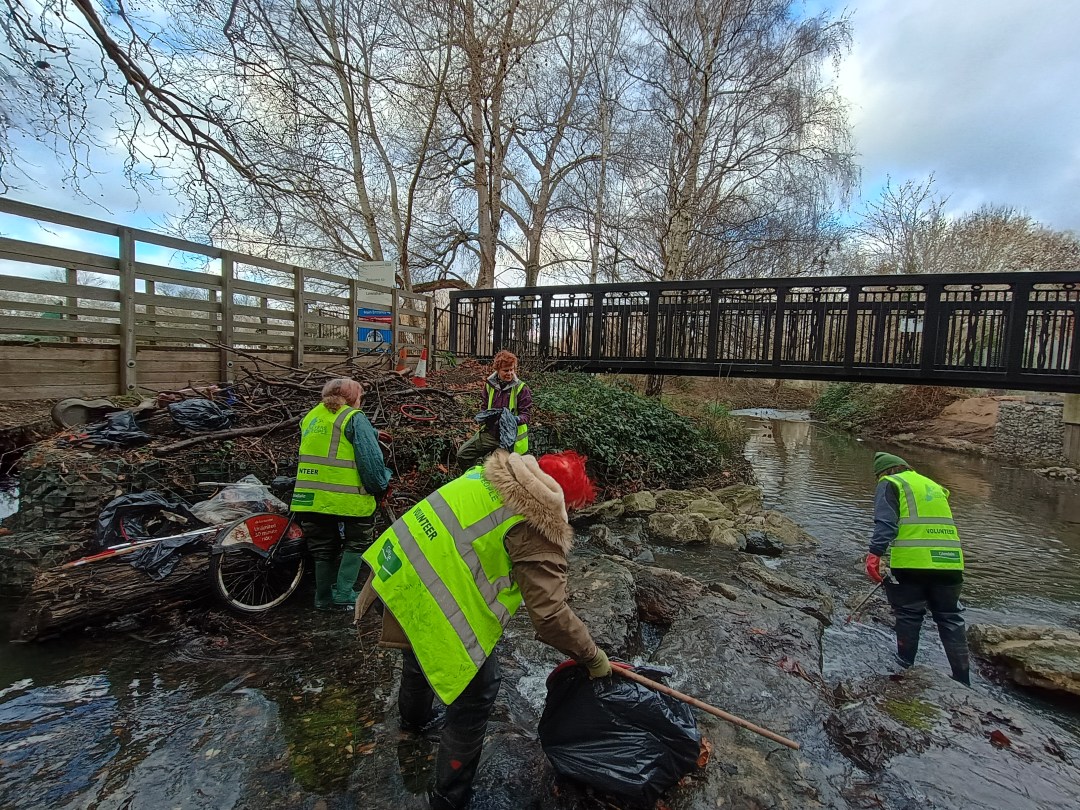
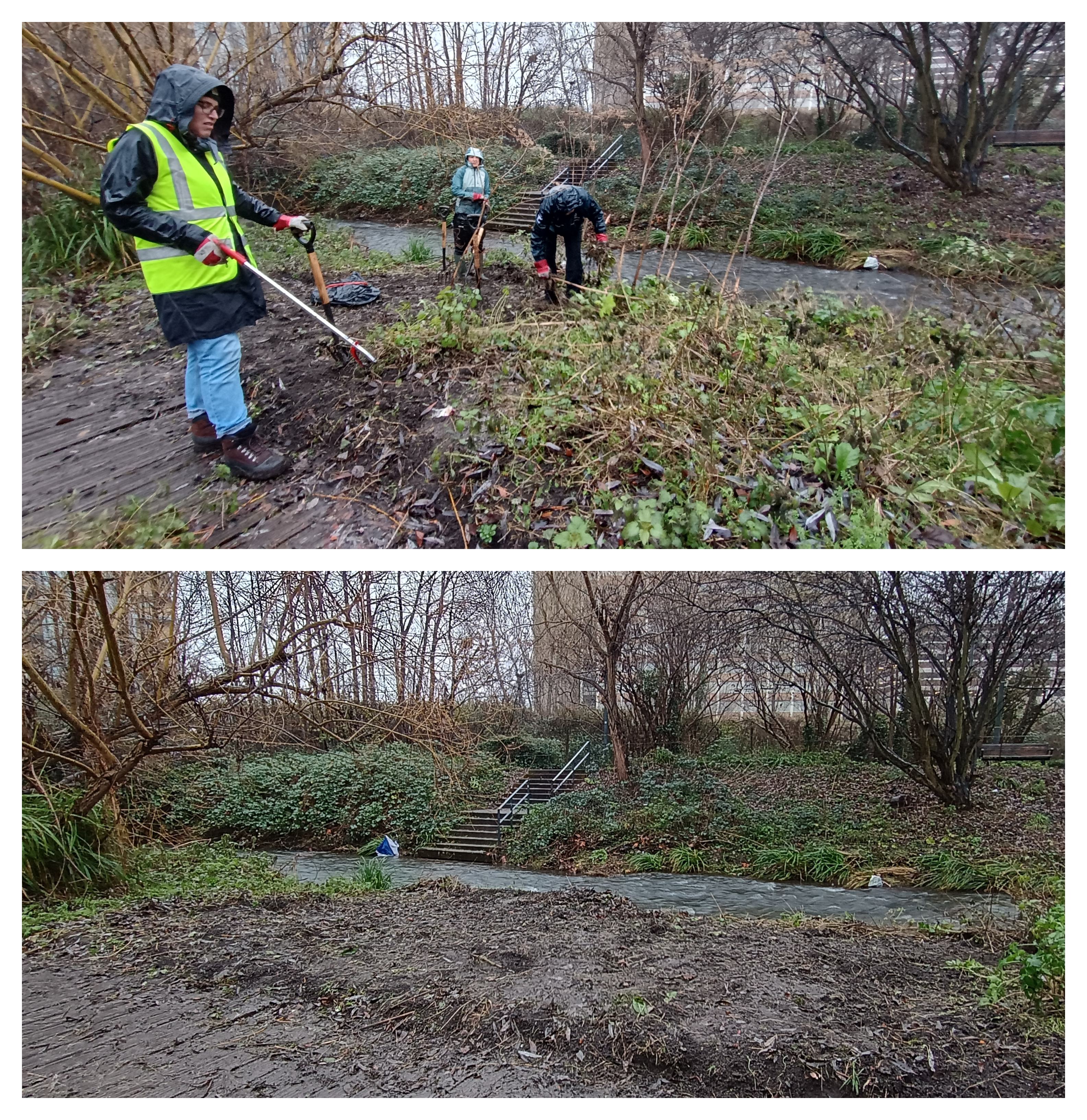
January began in a very wet fashion, with lots of heavy rain and the rivers in flood mode. Our first session back was at Cornmill Gardens where we working on the viewing platform both checking the wooden slats and removing a line of vegetation so in a month’s time when the plants get growing you’ll still be able to see the river! The volunteers also cleared up litter and various bits of rubbish that had floated downstream in the recent rains, which Glendale’s cleansing team collected at the end of the session.

Later in the month we were back on the weir in Ladywell Fields, allowing the river to permeate through the weir and unblocking the secondary channel was our key aim and after 3 hours of shifting vegetation, rubbish, fence panels, and a e-bike we left the weir with a good flow, and a cohort of moorhens who appeared as we left.