Location: National Council For Voluntary Organisations, All Saints Street, London N1 9RL, United Kingdom Date: January 30, 2018 10:00am—4:00 pm Booking: Via Eventbrite
Joint the Rivers Trust for a CaBA (Catchment Based Approach) Workshop in London to cover a range of issues including the 2018 benefits, evaluation and monitoring reporting, monitoring for catchment management encompassing water quality and the effectiveness of Natural Flood Management, CaBA and the 25-year plan, Km Enhanced and more.
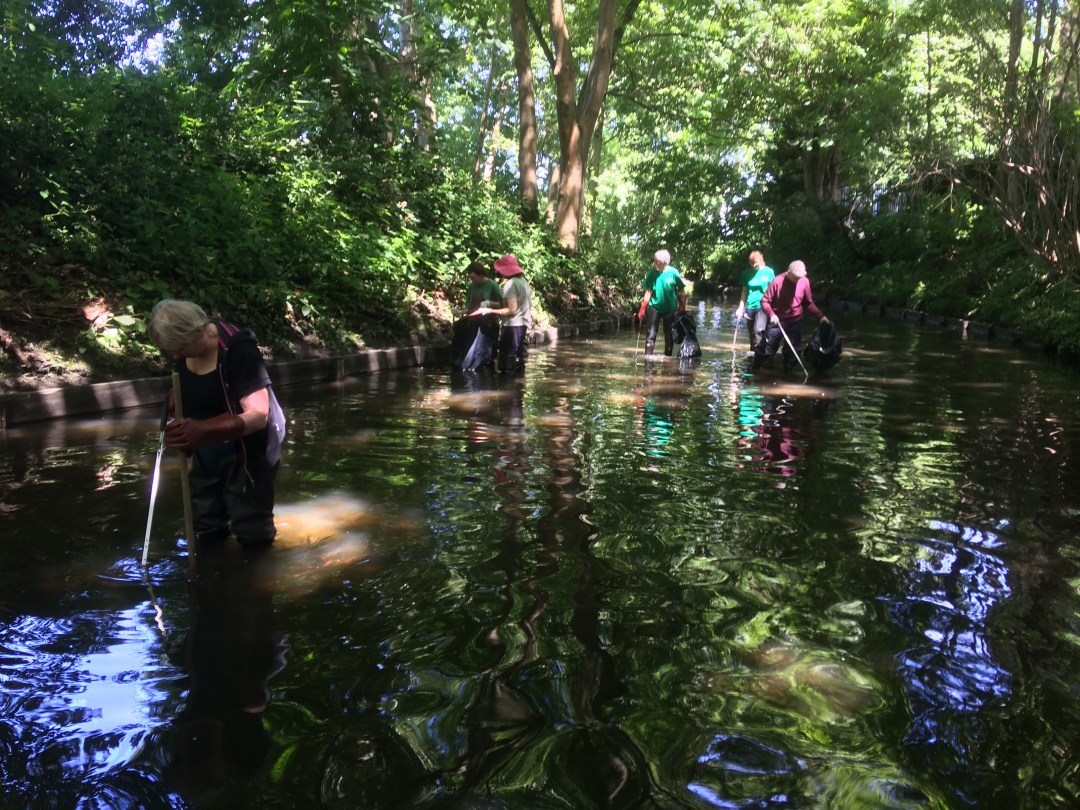
The new Rivers and People programme is now available. Join us for our Tuesday sessions where tasks will include the removal of invasive species, litter picks, pond work and clearing of the river banks. If you have any questions about our sessions, please visit the Rivers and People page on this blog.
22 February 2018, 19.00 to 21.00 Lewisham Council Chambers – Booking via Eventbrite
This talk should be useful for planners, developers, architects, bird-watchers, nature lovers and anyone with an interest in how we live in our towns and cities.
Swifts are our fastest bird in level flight, and by far the most acrobatic and exciting. They bring amazing aerial displays to even the grimmest city centre.
By encouraging and supporting this bird urban skies can be transformed, and in turn, urban biodiversity and its many benefits promoted. We urgently need to support and enhance urban biodiversity, not just for our own health, but also for the health of the planet.
Edward will show the reasons for the Swift’s decline plus what we can do to save it. Topics covered will include basic biology, habitat and nesting requirements, with examples of easy, cost effective nest place projects.
We have choices when creating urban environments and providing places to live, work and relax in. We can tackle many of the problems with the right motivation and vision, armed with research and examples, using our altruism, and resisting the pressure to “race to the bottom”.
“Green” estates and “leafy suburbs” are the places people want to live, where they are healthier and less of a burden on the NHS and other taxpayer-funded welfare services, and which hold their value, while the “concrete jungle” alternatives quickly decline and end up being demolished.
Starting with Swifts, Edward will run through the basics for providing a richer urban biodiversity, also showing examples of mistakes, “what not to do”, as well as examples of successful schemes.
Thank you all of your hard work over the last year. Lewisham’s rivers are in much better condition thanks to the work that you do. We look forward to seeing you again in the New Year.
Thames 21 foundational course, called Leading a Waterway Clean Up, is for people interested in learning more about waterways and why they are important. The course contains everything you need to know to plan and run safe, effective and enjoyable waterway improvement events.
There is no obligation to actually run events once you have taken the course. Some take it simply for the learning experience. But many do go on to assist our officers with Thames21-led events, and others lead events on their own with our support. Their trainees have engaged in some exciting work over the years!
course open to all, including those who may not have any prior experience with environmental issues or with working around water. We combine classroom sessions with volunteering so that you get the best possible learning experience. We also ask you to complete a small amount of written work. Our course is certified by ncfe*, the national accrediting organisation and you will receive your ncfecertificate upon completion. Having ncfe accreditation assures us that the content of our training is of a high standard and thoroughly prepares trainees to support and lead events on their own with confidence.
When do sessions take place?
We schedule sessions throughout the year in east, west and central London. Typically sessions are on weekends but there are some weekday sessions as well. Trainees must take Day 1 before Day 2 but do not need to take them in the same series. For example, you can take the Day 1 session offered in April and then, because of other commitments, not take Day 2 until July. Or September. Sessions are meant to be flexible.
See the bottom of this page for details on how to register for sessions.
We also deliver our Leading a Waterway Cleanup course to local groups who wish to be trained together. To schedule something for your group, please arrange for bespoke sessions by the Training Officer .
The event support team is a team of volunteers who assist our project officers to run safe, effective, and fun events. Become a badged group leader: With a Thames21 badge, Thames21 will support you running your own events.
How much does it cost?
The training is currently free for volunteers, with a Pricing Structure in place for volunteer managers and corporate groups. Please contact the Training Officer for more information
To Register:
You must complete an online Registration Formbefore you can take any trainings with Thames21.
Join Thames 21 for some fun clean up in the River Pool
Linear Park (Catford)
River Pool Conservation Days (Every Wednesday)
• Volunteer and discover the River Pool through Linear Park, Catford.
• Help shed more light on the river and improve its bio-diversity for plants and animals
• Maintain and improve the footpath along the river
• Build flow deflectors and berms in the river channel to increase flow diversity
• Other tasks include scrub removal, tree pruning and litter clearance
• All welcome, all equipment provided, just wear old clothes and bring lots of enthusiasm.
Every Wednesday, 10-3pm, stay as long as you like.
Tea provided all day
Meet 9.30 at Winsford Road Bridge on the Waterlink Way.
For more information on upcoming events please contact Vic Richardson
07973 442219
After a busy Summer of events, a huge amount of work was achieved by all the volunteers that came out and did their bit for Lewisham’s rivers. There is always work to do though, so if you missed out or enjoyed yourself so much that you’d like to do more, please have a look at the new Rivers and People programme to see if you can help. You’d be very welcome!
The April-June 2017 RBSM programme is now available! There are plenty of ways to get involved. Please note that this programme includes sessions for 3 Rivers Clean Up and that booking is essential for these events. they are great fun in the sun though – so check them out!
The first 3RCU took place in 2008 with the main aim to control the growth of Himalayan Balsam along the rivers. Himalayan Balsam is an invasive non-native plant that spreads quickly, clogging up river banks and reducing biodiversity. It shades and crowds native species and causes riverbank erosion, leading to an increase in the risk of flooding.
Now in its ninth year the 3RCU has largely brought the Himalayan Balsam under control. This success has given partners more time to focus on other activities to restore rivers to attract wildlife. It has also allowed volunteers the chance to discover, learn about and enjoy their rivers, and to take pride and ownership of them.
The project now has a new blog with lots of information about the project and how you can get involved. We would love to see you at one of our events, so keep an eye out of the next few weeks for more details about exact dates and locations.
In the meantime there are a number of ways in which you can contact the 3 Rivers Clean Up partnership. For individual organisations involved please see the Partners Page. Alternatively you can email the organising team, visit their Facebook page or even send them a tweet.






 Rivers and People